

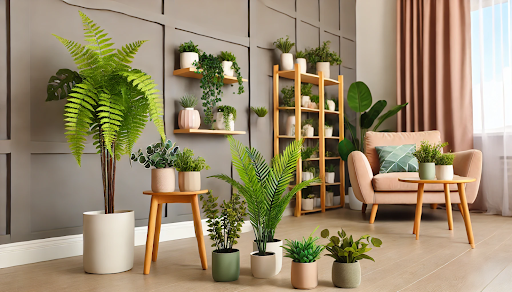
How to Decorate Home with Fake Plants?
You can decorate your home with fake plants by choosing realistic designs that match your space, placing them where real plants would naturally thrive, and mixing sizes and textures for a natural look. Use stylish pots, vary placement across rooms, and update arrangements seasonally. With simple cleaning and smart positioning, fake plants give you greenery without maintenance while still making your home feel warm and inviting.
Key Highlights
- Choose realistic, high-quality fake plants with natural textures.
- Match plant size and scale to your space.
- Place plants near windows or natural focal points for realism.
- Mix different plant types and heights for a layered look.
- Use stylish pots to elevate the overall appearance.
- Decorate every room differently for balance and variety.
- Keep plants clean and avoid direct harsh sunlight.
- Update arrangements for seasonal and holiday themes.
You step into your new home, and the potential is undeniable. The light filters through the windows just right, and you can imagine the space filled with warmth and life. But there's one problem - your schedule leaves little room for the watering, pruning, and all-around care that real plants demand. Still, you crave that lush, green touch that only plants can provide. This is where the art of decorating with fake plants comes into play—a decision that could transform your space into a haven of beauty without the burden of daily maintenance.
As you begin decorating with artificial plants, your first step is choosing the right ones. Not all fake plants are created equal—some look incredibly real, while others appear overly glossy and artificial.
What Should You Look for in Realistic Fake Plants?
- Natural color variations (not uniform green)
- Matte or slightly textured leaves (avoid shiny plastic)
- Detailed stems and natural-looking imperfections
How Do You Match Plant Size to Your Space?
|
Space Type |
Best Plant Choice |
Effect Created |
|
Large rooms |
Tall floor plants, fake trees |
Adds height and drama |
|
Medium spaces |
Potted plants, leafy arrangements |
Creates balance |
|
Small spaces |
Succulents, stems, mini plants |
Adds subtle greenery without clutter |
Start by assessing the space you want to fill. A tall floor plant can draw the eye upward and make the room feel larger. A well-placed artificial tree can anchor the space and create balance.
For smaller areas, choose delicate options like faux eucalyptus stems or small succulents. The goal is to complement your space—not overwhelm it.
Tips for Arranging Fake Plants in Your Home
Once you’ve selected your plants, placement becomes key to making them look real.
Where Should You Place Fake Plants?
Place them where real plants would naturally grow:
- Near windows
- In bright corners
- Beside furniture for balance
Even though they don’t need sunlight, this trick makes them feel authentic.
How Do You Make Fake Plants Look More Realistic?
- Mix plants with different leaf shapes and sizes
- Combine tall and short plants for depth
- Avoid placing identical plants side by side
Do Pots and Containers Matter?
Yes—they make a big difference.
|
Pot Material |
Style It Works Best With |
|
Ceramic |
Modern, clean interiors |
|
Cement |
Minimalist, industrial looks |
|
Natural textures |
Rustic, cozy spaces |
Choose neutral tones and textures that blend into your décor. The right pot can make even a simple fake plant look premium.
Decorating Different Areas of Your Home with Fake Plants
Every room in your home presents a unique opportunity to incorporate artificial plants. Let’s explore how you can use these versatile decorations to enhance each space.
How Do You Use Fake Plants in the Living Room?

Your living room is likely where you spend most of your time and where guests gather when they visit. It deserves special attention when it comes to decorating living room with fake plants. Imagine entering the room and being greeted by a large palm tree standing proudly in one corner. Its presence immediately adds a sense of sophistication and warmth to the space.
To complement the palm tree, you might place smaller fake plants on side tables or the mantle. Faux foliage like eucalyptus stems arranged in a sleek vase can add a subtle touch of green without overpowering the room. These smaller accents help tie the room together, creating a cohesive, welcoming environment.
How Do You Decorate a Bedroom with Fake Plants?

In your bedroom, the goal is to create a sanctuary—a place of calm and tranquility where you can unwind at the end of the day. Fake plants can play a significant role in achieving this ambiance. Picture a few carefully selected artificial plants arranged on your bedside tables. Perhaps a low-maintenance home greenery option like a small succulent or a trailing ivy that cascades gently from a high shelf.
For a more dramatic effect, consider placing a floor plant near the window. The sight of green leaves fluttering gently in the breeze—whether real or imagined—can bring a soothing, natural feel to your personal retreat. The best fake plants for the bedroom are those that offer a soft, peaceful vibe without drawing too much attention away from the room’s primary purpose: rest and relaxation.
What Are the Best Ways to Use Fake Plants in the Kitchen?

Your kitchen, the heart of the home, benefits from touches of greenery that brighten the space and add a fresh feel. You might place a few succulents along the windowsill, where they catch the light and bring a bit of nature indoors. Consider adding a small fake plant to the countertop, perhaps in a decorative plastic pot that complements your kitchen’s color scheme.
Faux foliage can also be used to adorn open shelves. Imagine a trailing vine weaving its way through your cookbooks and decorative jars. This touch of green brings life to the kitchen without occupying valuable counter space or requiring the constant care that real plants would need.
Can You Use Fake Plants in the Bathroom?

Even in the smallest spaces, fake plants can make a big impact. Your bathroom might seem like an unlikely place for greenery, but a well-placed plant can add a touch of luxury and freshness. Think about a small faux eucalyptus plant perched on the edge of your bathtub, offering a spa-like feel. Or perhaps a cluster of succulents on the vanity, adding a bit of green to your morning routine.
Bathrooms often have limited natural light, making them the perfect setting for fake plants. Since you don’t need to worry about watering or sunlight, you can place your plants wherever they look best, even in the darkest corners.
Also Read Best Faux Greenery for Small Spaces.
How Do You Update Fake Plants by Season?
|
Season |
Styling Idea |
|
Spring |
Bright greens and blooming flowers |
|
Summer |
Tropical plants and lush arrangements |
|
Fall |
Warm tones like burgundy and golden grass |
|
Winter |
Frosted greenery and muted colors |
One of the joys of decorating with artificial plants is their versatility. You can easily change up your décor to reflect the seasons or celebrate holidays, all without worrying about the maintenance that real plants require.
Seasonal Changes
As the seasons change, so too can your home’s décor. In the spring, you might introduce bright, fresh greens and blooming faux flowers to your arrangements, bringing the energy of new growth indoors. When summer arrives, consider adding tropical elements like a large palm tree or vibrant ferns to create a lush, vacation-like atmosphere.
In the fall, you can swap out some of the greenery for warmer tones. Think golden grasses, rich burgundy leaves, and even artificial pumpkins to capture the essence of autumn. Winter calls for a more subdued palette, perhaps with frosted pine branches and soft, silvery foliage that reflects the stillness of the season.
Holiday Themes
Holidays give you the perfect opportunity to get creative with your artificial plants interior design. For Christmas, you might decorate a large fake tree with twinkling lights and ornaments, transforming it into a festive centerpiece. Add some faux greenery to your mantle, weaving in lights and garlands to create a cozy, holiday ambiance.
Halloween provides a chance to have some fun with your décor. Imagine your artificial plants adorned with cobwebs and tiny spiders, creating a spooky yet stylish display. Whether it’s Thanksgiving, Easter, or a birthday party, your fake plants can be easily adapted to fit any theme.
DIY-Themed Arrangements
If you enjoy crafting and DIY projects, artificial plants offer endless possibilities for creating unique displays. You might design a beautiful table centerpiece for a dinner party using a mix of succulents, ferns, and faux flowers. Or perhaps you’ll create a wall hanging with trailing vines and delicate stems, adding a personal touch to your home.
These DIY-themed arrangements allow you to express your creativity while enjoying the benefits of low-maintenance home greenery. And the best part? Unlike real plants, your creations will last as long as you want them to without wilting or fading.
Also Read: How to Make Fake Plants Look Real
Maintenance Tips for Fake Plants
One of the primary benefits of beautifying your home with fake plants is the ease of maintenance. However, to keep fake plants looking their best, there are a few simple steps you should follow.
Cleaning and Dusting
Over time, dust can collect on the top of the leaves of your fake plants, dulling their appearance. Keeping fake plants clean is essential to maintaining their realistic appearance. Use a soft cloth or a gentle brush to remove dust from the leaves and stems. For more stubborn dirt, turn your blow dryer to a cool setting to remove dust without damaging the plants. Make it a habit to dust your plants every few weeks to keep them looking fresh.
Preventing Fading
While artificial plants don’t need natural light to thrive, prolonged exposure to harsh sunlight can cause their colors to fade. To prevent this, place your plants in areas where they’re not constantly exposed to direct sunlight. If you do want to display them in a sunny spot, consider rotating them periodically to minimize any fading.
Storage Tips
If you have seasonal fake plants that you only use during certain times of the year, proper storage is important to keep them in good condition. Store them in plastic bins with plenty of padding to protect the leaves and stems from being crushed. When the next season rolls around, your plants will be ready to bring life back into your home.
Also Read: Top Artificial Plants for Home Decor
Have Fun Decorating!
As you step back and admire your handiwork, you realize that your home is now a reflection of your style and taste—a space filled with life, beauty, and a touch of nature, all without the need for daily upkeep. The fake plants you’ve chosen have transformed each room, bringing warmth and vibrancy into your life. With minimal maintenance, these artificial plants will continue to enhance your home for years to come.
Decorating with fake plants is a practical choice and an opportunity to create a home that feels alive and welcoming, even if your schedule doesn’t allow for the care that real plants require. So whether it’s a tall fake palm tree in the living room, a cluster of succulents in the bathroom, or a festive display during the holidays, Fake Flowers’ collection will fulfill all your needs to make your home a beautiful, green oasis that you can enjoy every day.
Frequently Asked Questions
Yes, high-quality fake plants can look very realistic, especially those made with detailed leaves and natural textures. Choosing plants with a mix of leaf shapes and colors also enhances their lifelike appearance.
Select a size that complements the space without overwhelming it. Large plants work well in spacious areas like living rooms, while smaller plants are ideal for shelves, tables, or compact spaces.
You can find high-quality fake plants at Fake Flowers. We focus on offering realistic artificial plants that can enhance any space.
Clean them regularly with a soft cloth or use a blow dryer on a cool setting to remove dust and debris.
Yes, but choose outdoor-rated fake plants that are specifically designed to withstand the elements. These are typically made from durable materials that resist fading and damage from sun and rain.


