

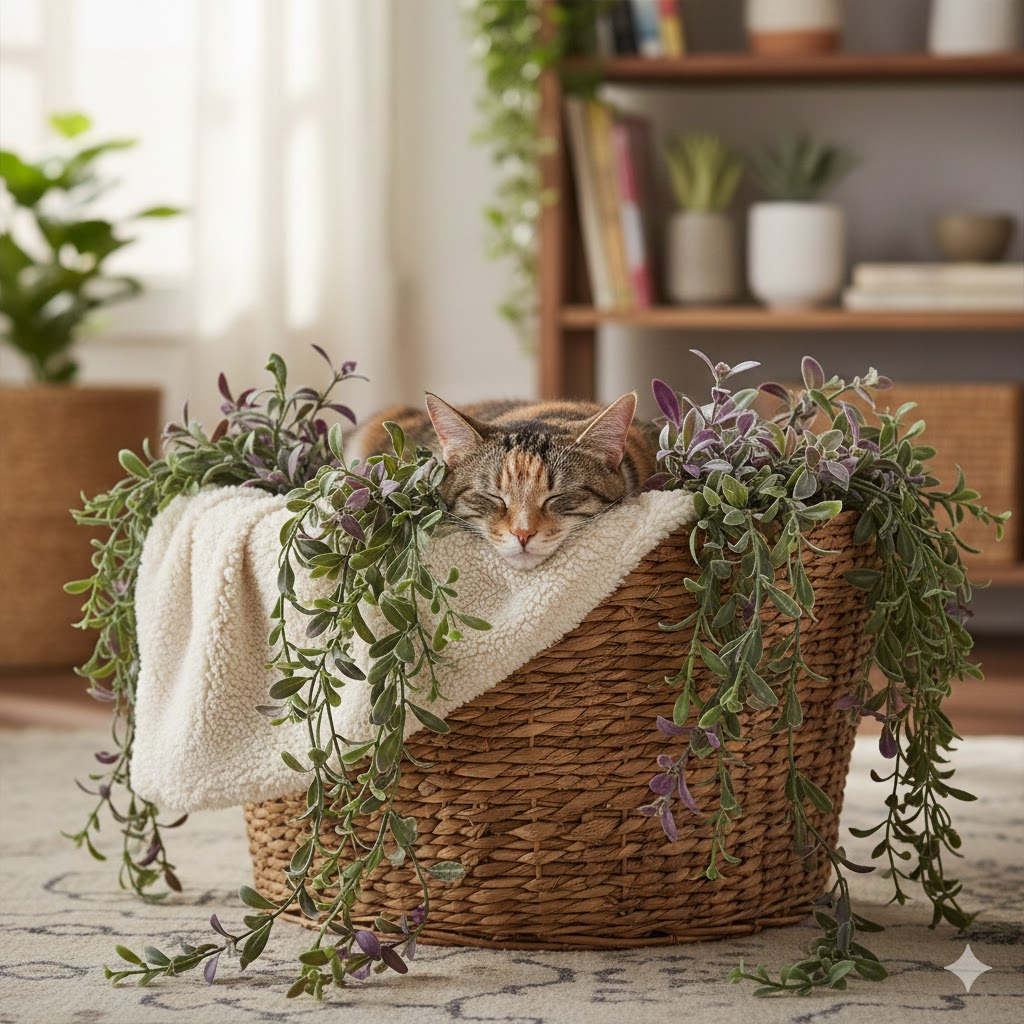
Are Fake Plants Toxic to Pets? A Guide for Pet Owners
Many pet owners love bringing greenery into their homes, but not all plants are safe for our furry companions. Fake plants for pets offer a stylish, worry-free alternative to real plants, which can often be toxic. In this guide, we’ll explore whether artificial plants are safe for cats, dogs, and exotic pets, highlight the best pet-friendly fake plants, and provide tips for choosing safe options. By the end, you’ll know how to create a beautiful, pet-friendly home filled with greenery that everyone can enjoy.
Key Highlights
- Yes, fake plants are generally safe for pets since they don’t contain toxic compounds found in many real plants.
- Material matters: Choose non-toxic silk or high-quality plastic fake plants for cats, dogs, and exotic pets.
- Chewing is the main risk—ingesting fake plant parts may cause choking or blockages, so placement is important.
- Pet-friendly alternative to real plants, eliminating risks from toxic leaves, pests, and soil.
- Best pet-safe fake plants include silk ferns, plastic succulents, and artificial palms.
- Ideal for exotic pets and tanks when made from durable, non-toxic materials.
- Safe placement and regular inspection help ensure a stylish, worry-free, pet-friendly home.
Are Fake Plants Safe for Pets?
The good news is that fake plants for pets are generally safe. Unlike many real plants that contain toxic compounds, artificial greenery does not pose the same poisoning risks. However, safety depends on several factors: the materials used to make the plants and how your pets interact with them.
Fake plants can be made from silk, plastic, or fabric, all of which are usually non-toxic. If your pet merely brushes against or sniffs these plants, there’s little risk. Problems arise if your pet chews or ingests parts of a fake plant, which could lead to gastrointestinal blockages or choking hazards, depending on the material.
Some artificial plants also contain small detachable parts, glued-on decorations, or sharp edges. These elements can be dangerous for curious pets. To keep your home safe, always monitor your pets around new decor, and remove or reposition plants if you notice excessive interest in chewing.
Pro Tip: If your pet has a history of chewing or eating non-food items, it’s best to place fake plants out of reach or choose sturdier options.
Why Choose Artificial Plants Over Real Plants for Pets?
For pet owners, artificial plants offer several advantages over real ones:
1. Eliminate the Risk of Toxicity
Many common houseplants, such as lilies, poinsettias, and philodendrons, are toxic to pets. Ingesting these plants can lead to mild stomach upset, severe poisoning, or even life-threatening reactions. Choosing pet-safe artificial plants completely removes this concern, allowing you to enjoy greenery without worrying about toxicity.
2. Low Maintenance and Durability
Unlike real plants that need watering, pruning, and sunlight, artificial plants maintain their beauty with zero upkeep. This is particularly useful in homes with pets, where spills, digging, or overzealous watering can damage live plants. Fake indoor plants for pets remain vibrant and undisturbed, no matter how curious your pets are.
3. No Pest Problems
Real plants can attract pests such as aphids, spider mites, and fungus gnats, creating an unhealthy environment for both plants and pets. Artificial plants never attract insects, offering the same aesthetic benefits of greenery without the potential for infestations.
4. Safe for Exotic Pets
Exotic pets like bearded dragons, turtles, or reptiles may nibble on live plants, some of which can be harmful. Using artificial plants for pet tanks ensures a stimulating, safe environment for these animals.
Top 3 Pet-Friendly Fake Plants You Can Buy

When selecting fake house plants for pets, consider both the material and design. Here are three excellent options:
1. Silk Ferns
Artificial ferns mimic the delicate, lacy look of real ferns without any toxicity. Their soft, flexible leaves are less likely to cause harm if chewed, making them ideal for homes with curious cats or dogs.
2. Fake Succulents
Fake succulents are not only trendy but also incredibly sturdy. Their compact design reduces choking hazards and allows pets to interact safely without damaging the plant. Succulents add a modern, elegant touch to your space while being completely pet-safe.
3. Artificial Palms
Artificial palms bring a tropical feel to your home. Look for palms made from high-quality plastic or silk, which are both durable and non-toxic. Large leaves discourage ingestion, and their stable bases prevent tipping, making them a safe and stylish choice.
How to Choose Pet-Safe Fake Plants for Your Home
Selecting the right artificial plants goes beyond appearance. Here’s what to consider:
Material Safety
Ensure the plant is made from non-toxic materials such as silk or high-grade plastic. Avoid plants with sharp edges or small detachable parts that could be swallowed. If in doubt, consult your veterinarian before purchase.
Size and Stability
Larger, heavier plants are less likely to be knocked over by pets. Check that the base is weighted or sturdy, which helps prevent accidents that could injure your pet or damage your home.
Realistic Appearance
High-quality fake indoor plants for pets should resemble real plants closely. Realistic foliage ensures your home looks stylish and natural while keeping pets safe.
Ease of Cleaning
Dust and pet hair can accumulate on fake plants. Choose options that are easy to clean with a simple wipe-down, vacuum, or blow dryer to maintain hygiene and aesthetics.
Durability
Pets can be rough on household items. Select artificial plants that can withstand some wear and tear while maintaining their shape and color, ensuring a long-lasting investment.
Best Practices for Pet Owners Using Fake Plants
Even the safest fake plants require thoughtful placement and monitoring. Follow these practices:
-
Strategic Placement – Place plants out of reach if your pets are prone to chewing. Use shelves, mantels, or wall-mounted planters to keep greenery accessible but safe.
-
Regular Inspection – Check for frayed leaves, loose parts, or other hazards that could pose a risk. Replace damaged plants promptly.
-
Monitor Pet Behavior – Observe your pets’ interactions. If a specific plant attracts too much attention, move it or replace it with a less tempting option.
-
Consult Your Veterinarian – When unsure about a plant’s safety, your vet can recommend materials and products known to be safe for your specific pets.
Create a Pet-Friendly Green Escape with Fake Flowers
Decorating your home with pet-safe artificial plants allows you to enjoy greenery without the risks associated with real plants. From silk ferns to artificial palms, the options are versatile, stylish, and safe. By considering material safety, durability, and proper placement, you can create a lush, worry-free indoor environment that both you and your pets can enjoy.
Whether you’re enhancing your living room with a tropical vibe, adding greenery to your kitchen, or decorating a pet-friendly tank, fake plants are the perfect solution for pet owners who don’t want to compromise on safety or style.
Browse our collection at Fake Flowers for realistic, high-quality, pet-safe artificial plants that are perfect for cats, dogs, and exotic pets.
FAQs
Fake plants are generally safe but not meant to be eaten. Ingesting parts could cause blockages, so monitor your pets closely.
Yes, cats can safely be around pet-safe artificial plants. Place plants where your cat cannot reach if they like to chew.
Most artificial trees are non-toxic. However, avoid small detachable parts that your cat could swallow.
Yes, artificial plants are safe for reptiles like bearded dragons when made from non-toxic materials.


